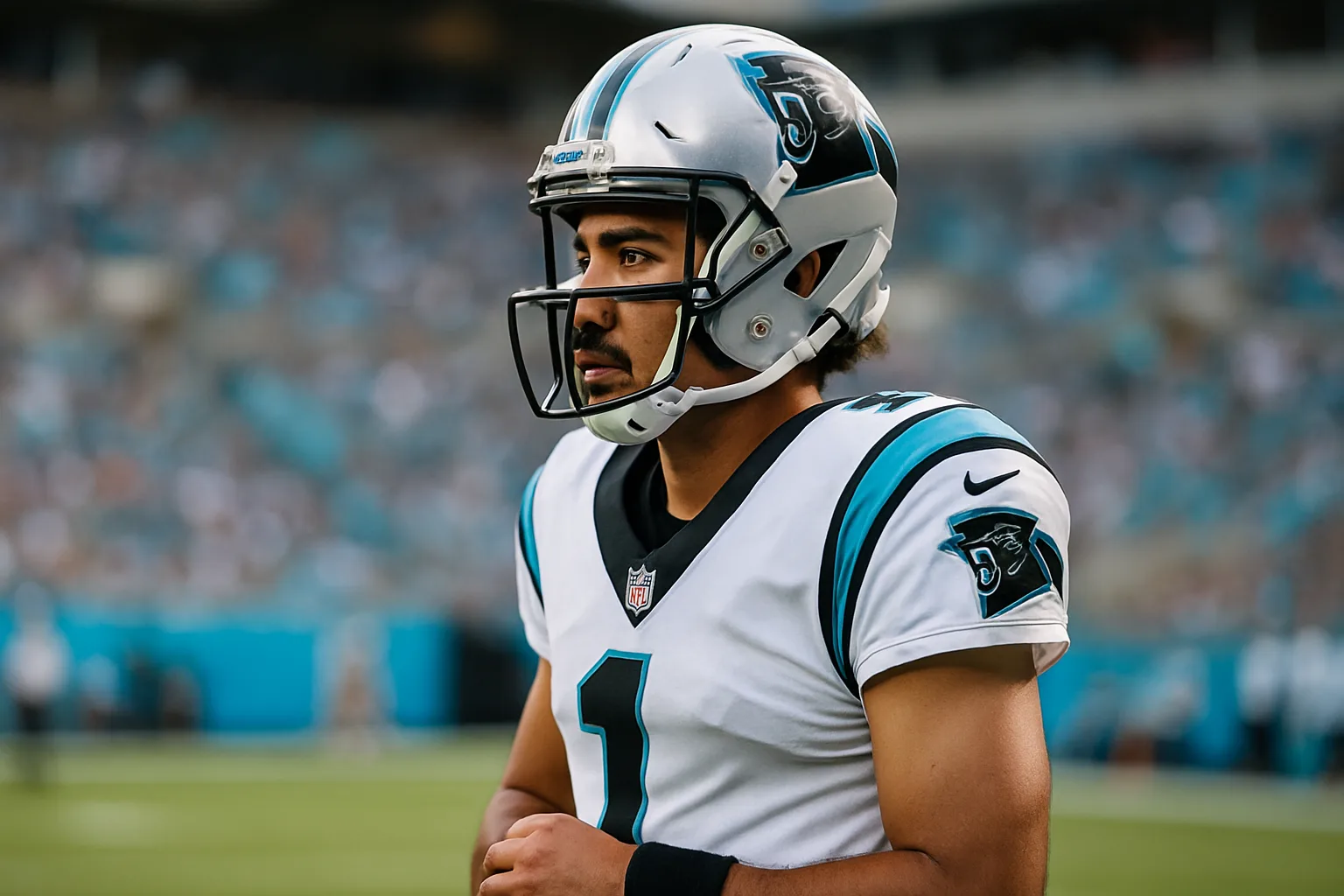
The final score is the clearest summary of a football game, but it rarely explains how the game unfolded. To get a fuller picture of a Panthers performance, start by asking whether the team consistently created manageable situations. A third-and-short is usually a sign that earlier downs did their job; repeated long-yardage plays can point to penalties, negative runs, or unsuccessful early passes.
Next, watch possession changes and field position. A turnover near midfield has a different practical cost from one deep in a team’s own territory. Special-teams returns, punts, and penalties can quietly influence where an offense begins its work. Those details help explain why two teams with similar yardage totals may have experienced very different games.
Finally, separate process from outcome. A receiver can make a sound route choice even when a pass is inaccurate, and a defense can force a difficult throw that happens to be completed. Look for repeated patterns: protection holding up, defenders tackling reliably, or the same coverage weakness appearing more than once. No single observation settles the debate, but several clues together make a more useful assessment than a highlight or a score alone.
Reading the Game Through Situations, Tempo and Adjustments
Once you are comfortable tracking downs, field position and repeated patterns, the next layer is situational football. Some of the most revealing moments in a Panthers game happen in small windows: the red zone, the final two minutes of each half, and short-yardage downs. A team that moves the ball well between the 20-yard lines but settles for field goals inside the 20 has a different problem from one that struggles to move at all. Red-zone play compresses the field, so timing, quick decisions and physical blocking matter more than long-developing concepts.
The two-minute drill before halftime is another useful test. Watch how the offense manages timeouts, whether receivers get out of bounds, and whether the quarterback takes what the defense allows instead of forcing a deep shot. On the other side, notice whether the defense keeps plays in front of it or gives up chunk gains that put the opponent in scoring range. Points scored or allowed in these stretches often swing games more than their share of the clock would suggest.
Watch the adjustments
Football is a game of responses. If an opponent's pass rush wins early, look for the Panthers to answer with quicker throws, screens, extra blockers or more runs to slow the rush down. If a particular receiver is open on the same route in the first half, see whether the defense changes its coverage after the break. The quality of a game plan shows not only in the opening script but in how coaches react once both sides have shown their hand. Our piece on what makes a quarterback-friendly offense explores some of these tools in more detail.
Context in the trenches
Line play is easy to overlook on a broadcast because the camera follows the ball. When you rewatch a key snap, focus on the line of scrimmage for a moment. Did the running back have a clear lane, or did he create yards after first contact? Did the quarterback have a clean pocket, or was he moving before his receivers finished their routes? These questions help explain whether a result came from scheme, execution or individual effort. For a closer look, see the details behind offensive line play and why defensive pressure is more than sacks.
A practical habit is to jot down three or four notes per quarter: a drive that stalled and why, a defensive stop that came from a clear plan, a penalty that shifted field position. By the final whistle, those notes usually tell a richer story than the scoreboard.
Also on this site: Full archive