Panthersdaily
How to Read a Panthers Game Beyond the Score
Explore
Path
News
The latest Panthers developments, explained with context and clear reporting.

Path
Features
Profiles, history, fan stories, and deeper looks at the people around the team.

Path
Analysis
Thoughtful breakdowns of football decisions, performance, and team-building.
Path
Commentary
Independent perspectives on the choices and moments shaping Panthers football.
Latest
Nearby places
All places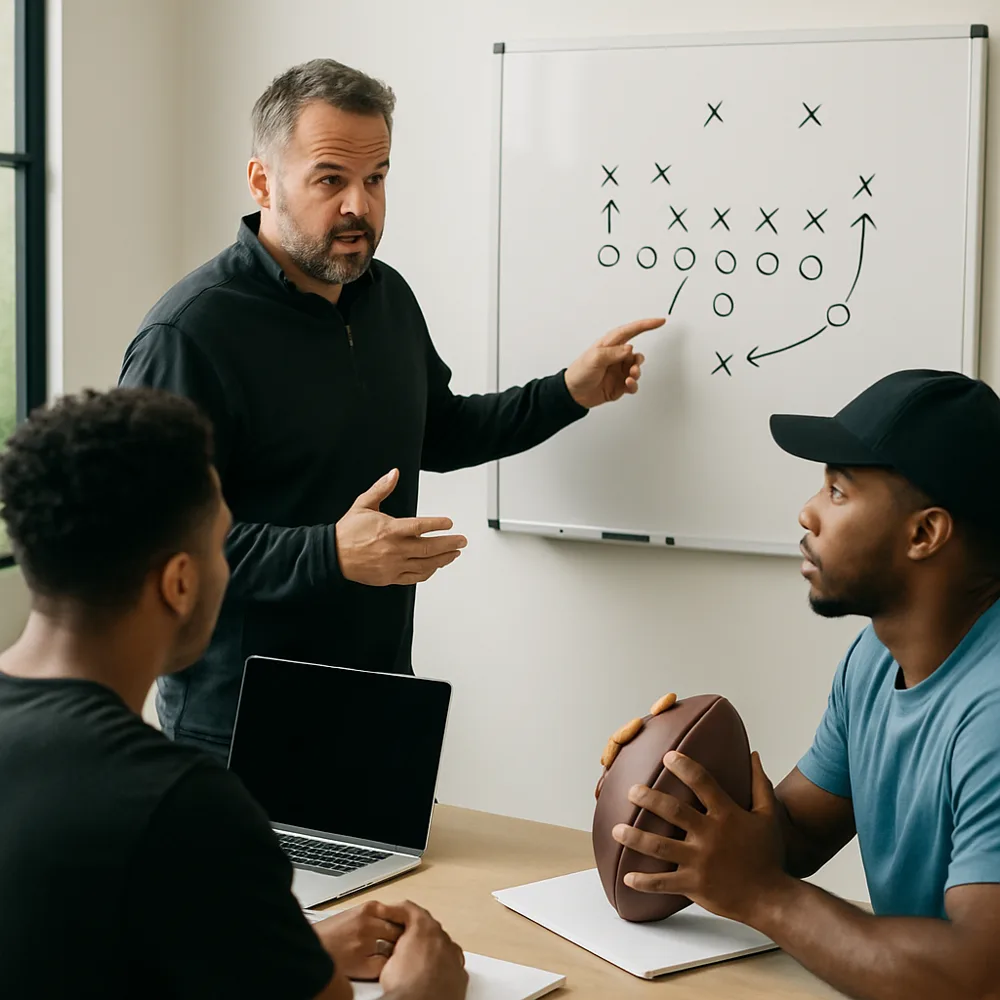

Watching Panthers Football With a Sharper Eye
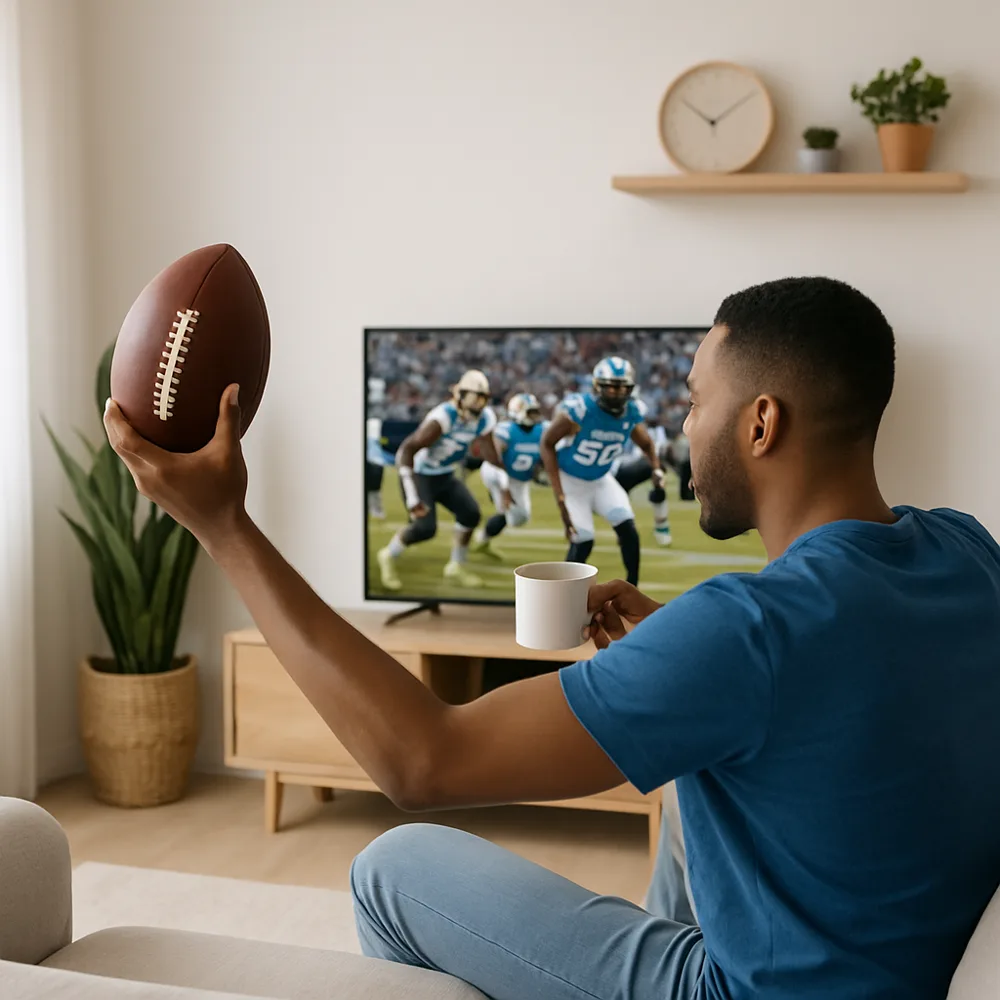
The final score tells you who won, but it rarely explains why. A Carolina Panthers game is a long chain of small decisions, matchups and adjustments, and the fans who enjoy it most are often the ones who learn to notice those details as they happen. Panthersdaily is built around that idea: football makes more sense when you know what to look for between the snaps, not just after the final whistle.
Start with the situations, not the highlights
Highlight reels favour long touchdowns and big hits, yet games are usually decided in quieter moments. Watch how the offence handles third down, especially third-and-medium, where play design and quarterback decision-making are tested most. Pay attention to red-zone trips that end in field goals rather than touchdowns, and to the turnover margin, which often matters more than total yardage. Field position, penalties that extend drives, and the choice to punt or go for it on fourth down can quietly swing the outcome long before the fourth quarter.
Look at the line of scrimmage
Much of what happens to the ball is decided up front. If the quarterback is consistently rushed, routes downfield never get the chance to develop. If running lanes keep closing, the play-caller has fewer options. Our breakdown of offensive line play explains how protection schemes and communication shape every snap, while our piece on defensive pressure shows why a defence can disrupt a game without recording many sacks.
Follow the adjustments
Coaching staffs change their approach as a game unfolds. Notice whether the offence leans on quicker throws after early pressure, or whether the defence shifts its coverage after giving up a big play. Comparing the first drive of the second half with the opening drive of the game often reveals what was discussed at half-time.
None of this requires a coaching background, only a little curiosity and a habit of asking why a play worked or failed. If you want a place to start, our guide to reading a Panthers game beyond the score walks through these ideas step by step.